Elisabeth de Brabant Contemporary
Léa Dumayet
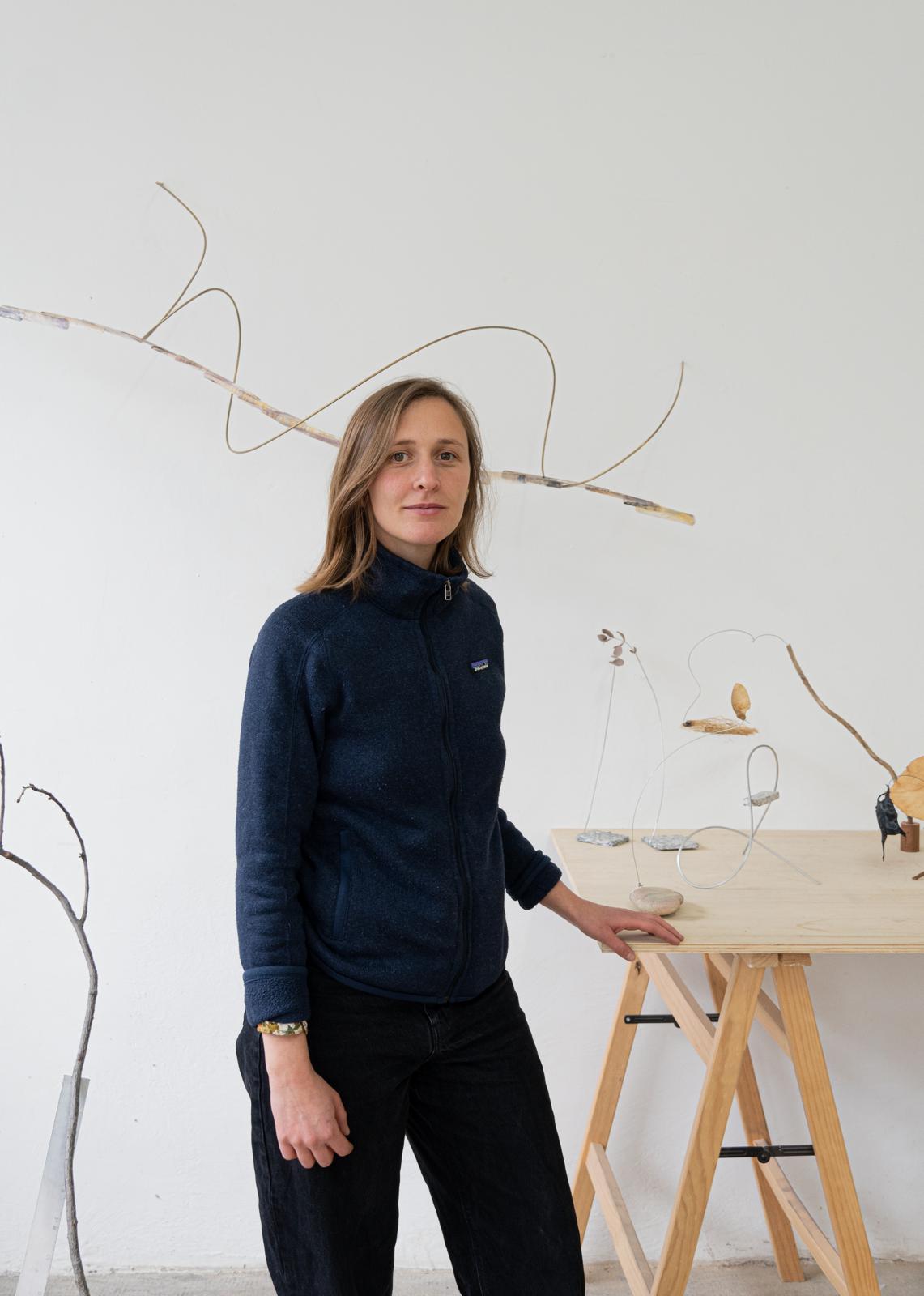
In the exhibition Cilia, Léa Dumayet uses glass to create sculptures that reveal invisible forces at work in the body.
The artist’s working process echoes the fluid, interdependent nature of Venice, where balance is maintained through constant adaptation, making it resilient and evolving. Her approach moves between deliberate intervention, accelerating instability and revealing hidden processes, and careful observation, listening, and repair. Equilibrium operates as a continuous process of calibration between direction, material, body, and environment.
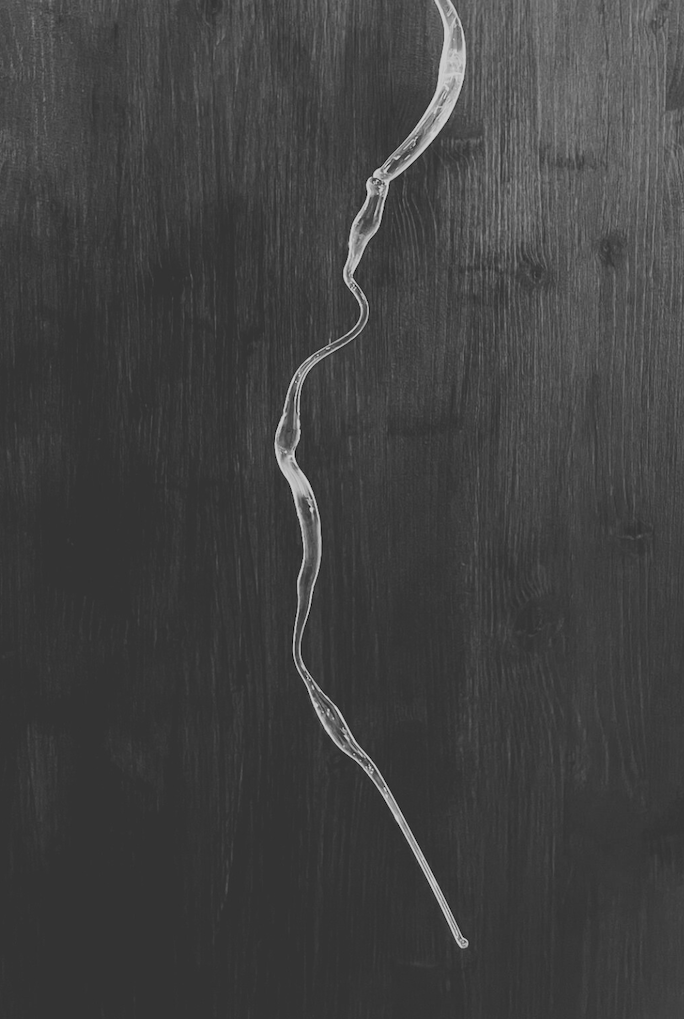
The installation central to the exhibition, CILIA, draws a parallel with biological systems. The title refers to cilia—microscopic hair-like structures on cells that enable movement in organs such as the fallopian tubes, brain, and respiratory tract. To address the fragility of vital systems and the persistent lack of attention they receive, this biological principle is translated into the material form of the installation. The installation brings together suspended glass sculptures called Cils and Tubas.
Working with local artisans from Venice and Murano, Léa Dumayet seeks the precision needed to capture unstable, organic conditions in glass held in tension between stillness and instability at the point of rupture:
“The installation explores the intrinsic dualities of glass—its fragility and strength, its transparency and its ability to reflect. Light passes through it while creating reflections, both physical and emotional. These qualities form a language through which I explore what is invisible yet perceptible, and how opposites can exist together as one. The sculptures engage a personal history rooted in the body; the process of making them becomes an active space of healing, both intimate and transformative.”
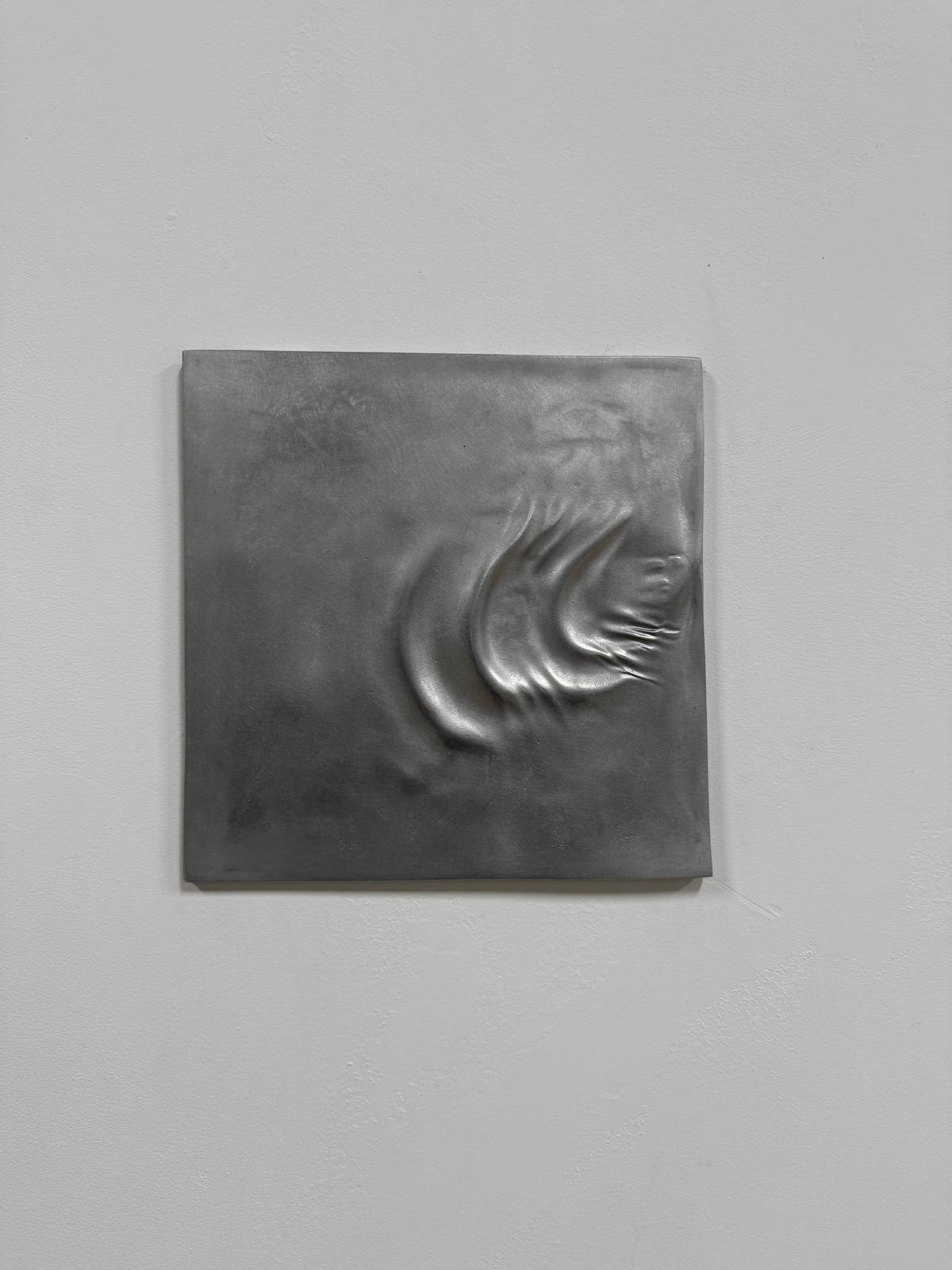
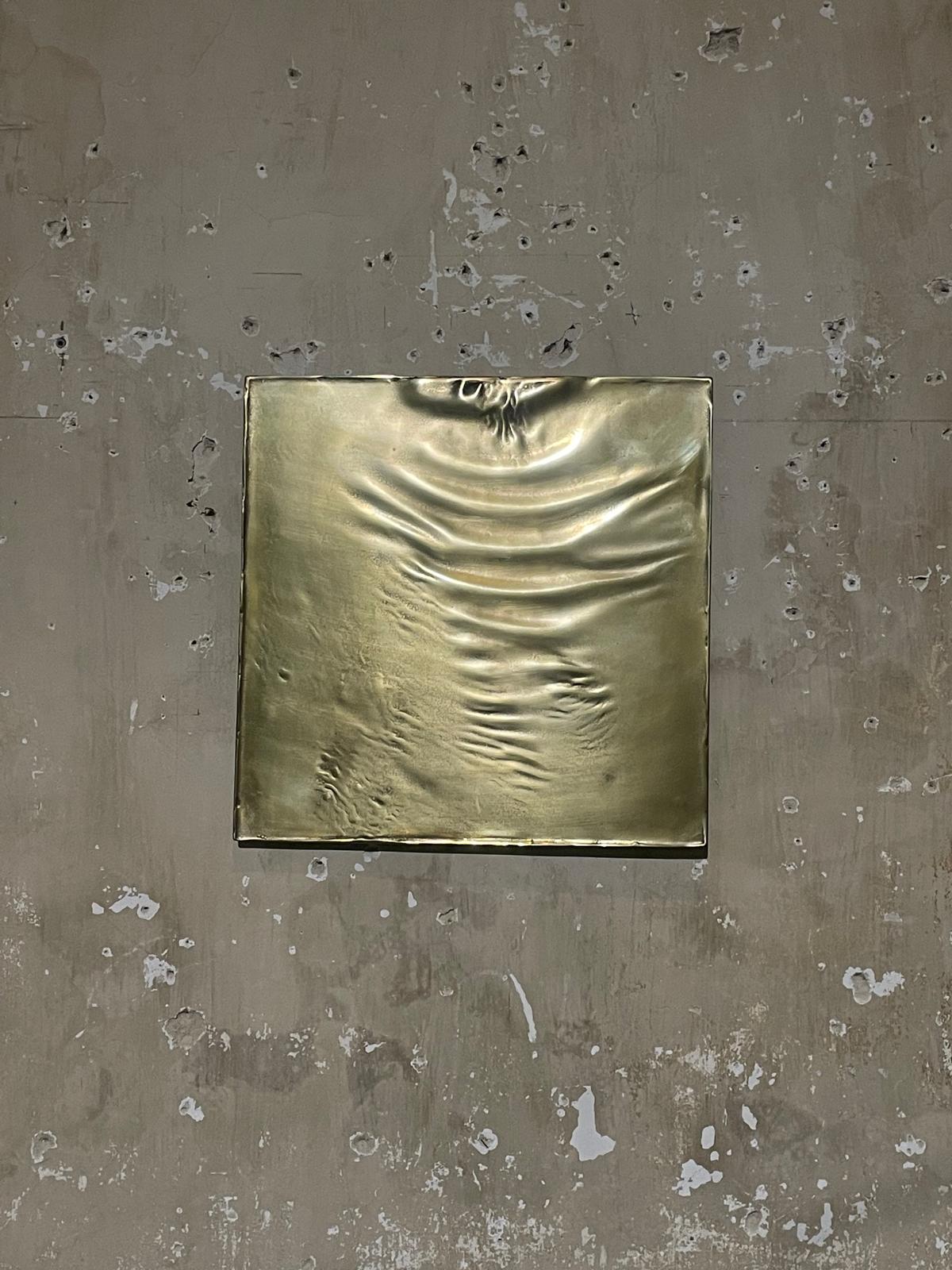
Alongside these suspended forms, a series titled Souffle, made from recycled aluminium, introduce breath as a driving force and a condition of life. Air is a recurrent element in Léa Dumayet’s practice. To create these sculptures, she uses air to model the material without touching it, blowing at a precise moment to seek equilibrium and reveal the invisible.
Essential to life, breathing allows external particles to enter the body, carrying the outside world into us and enabling perception and adaptation, a process only partially within our control.
In collaboration with fragrance designer Daphné Perryman-Holt, the artist develops an olfactory layer that evokes the elements from which glass is formed: air, earth, water, and fire. Propelling the audience through the space, these volatile molecules extend the work beyond what can be seen.
Glass, metal, light, space, and scent form a permeable structure that carries and amplifies intention through each material.
Luna Darin
Nicola Moretti Glass workshop
4Glass Murano workshop
Images courtesy of the artist