Elisabeth de Brabant Contemporary
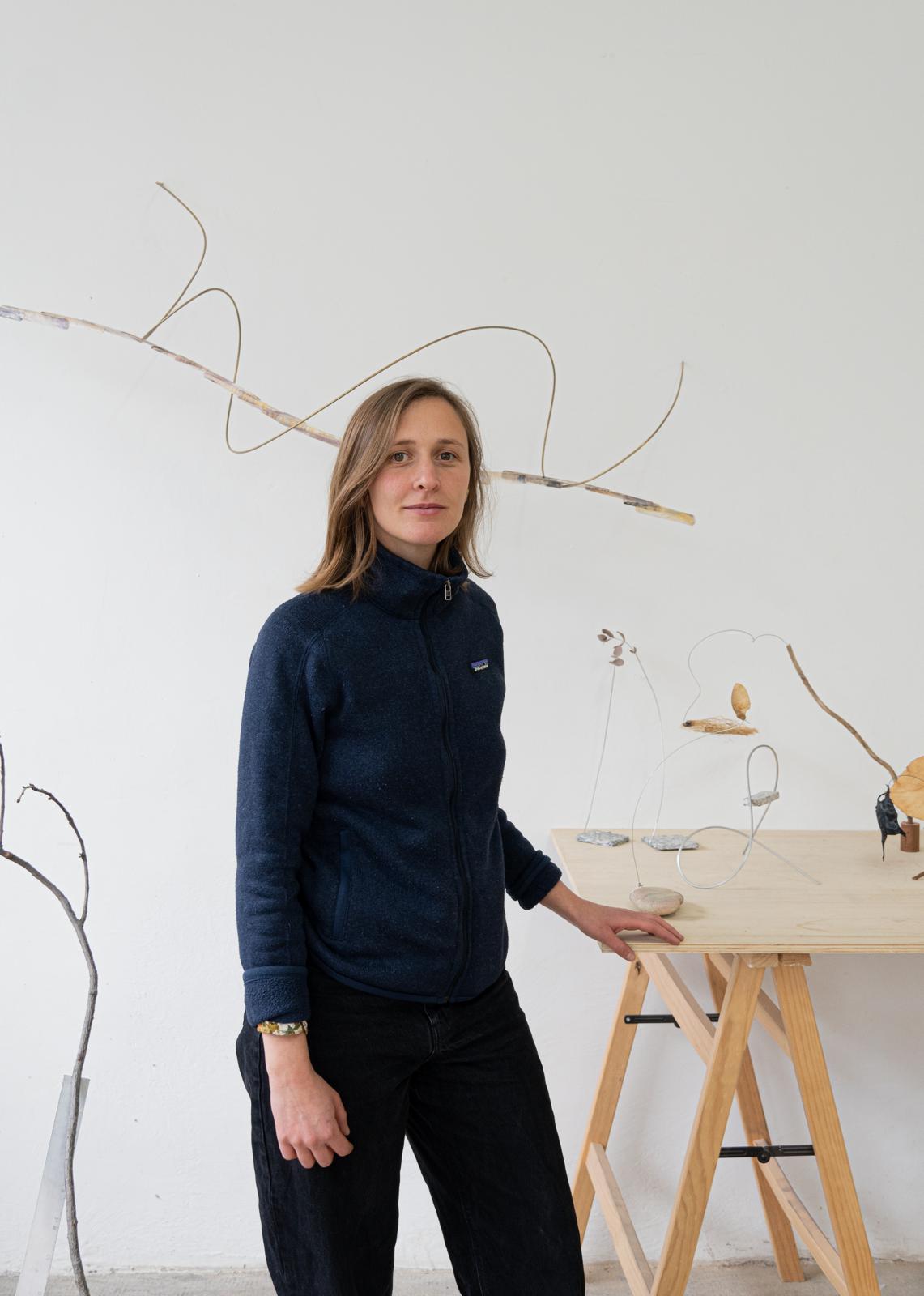
Léa Dumayet
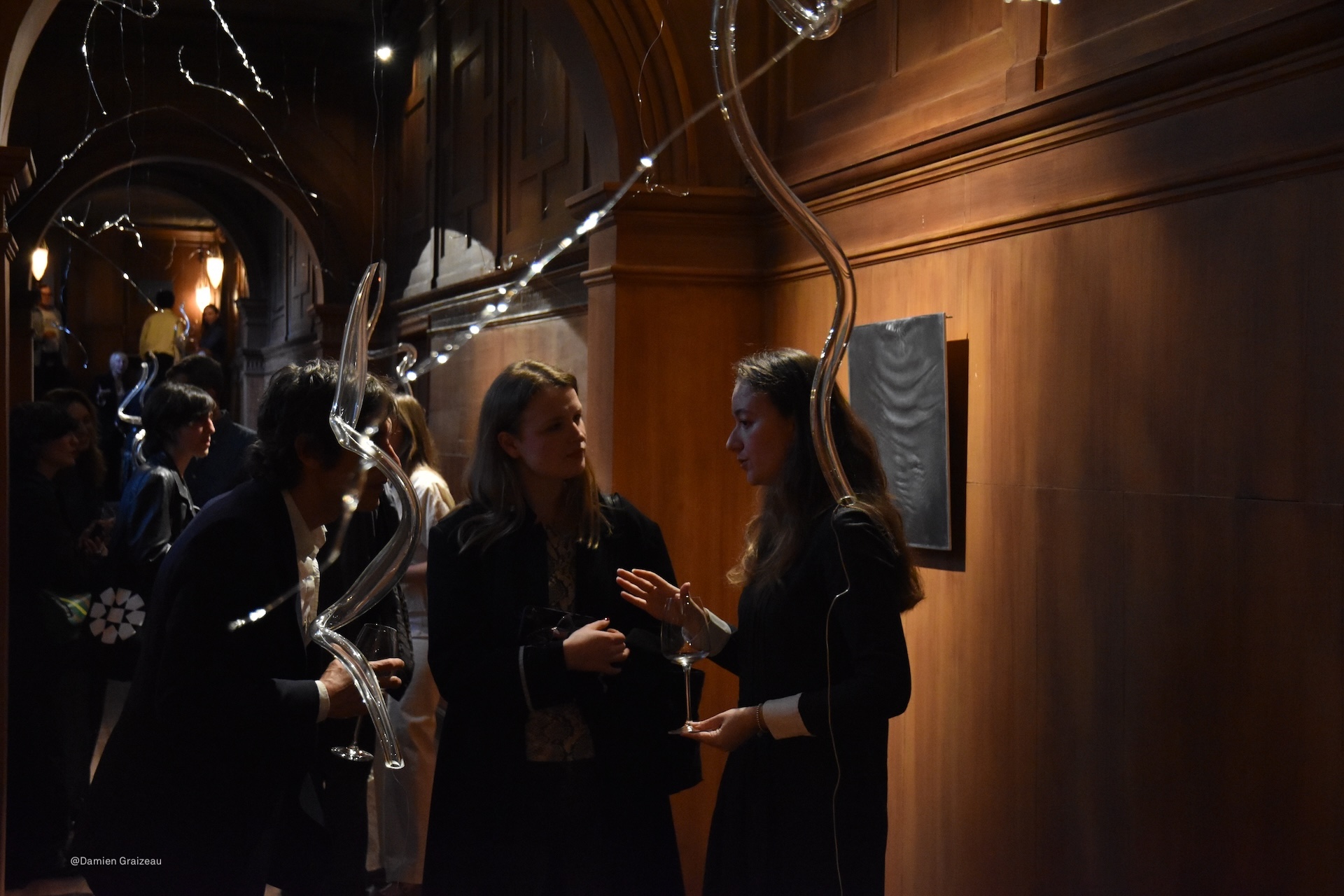
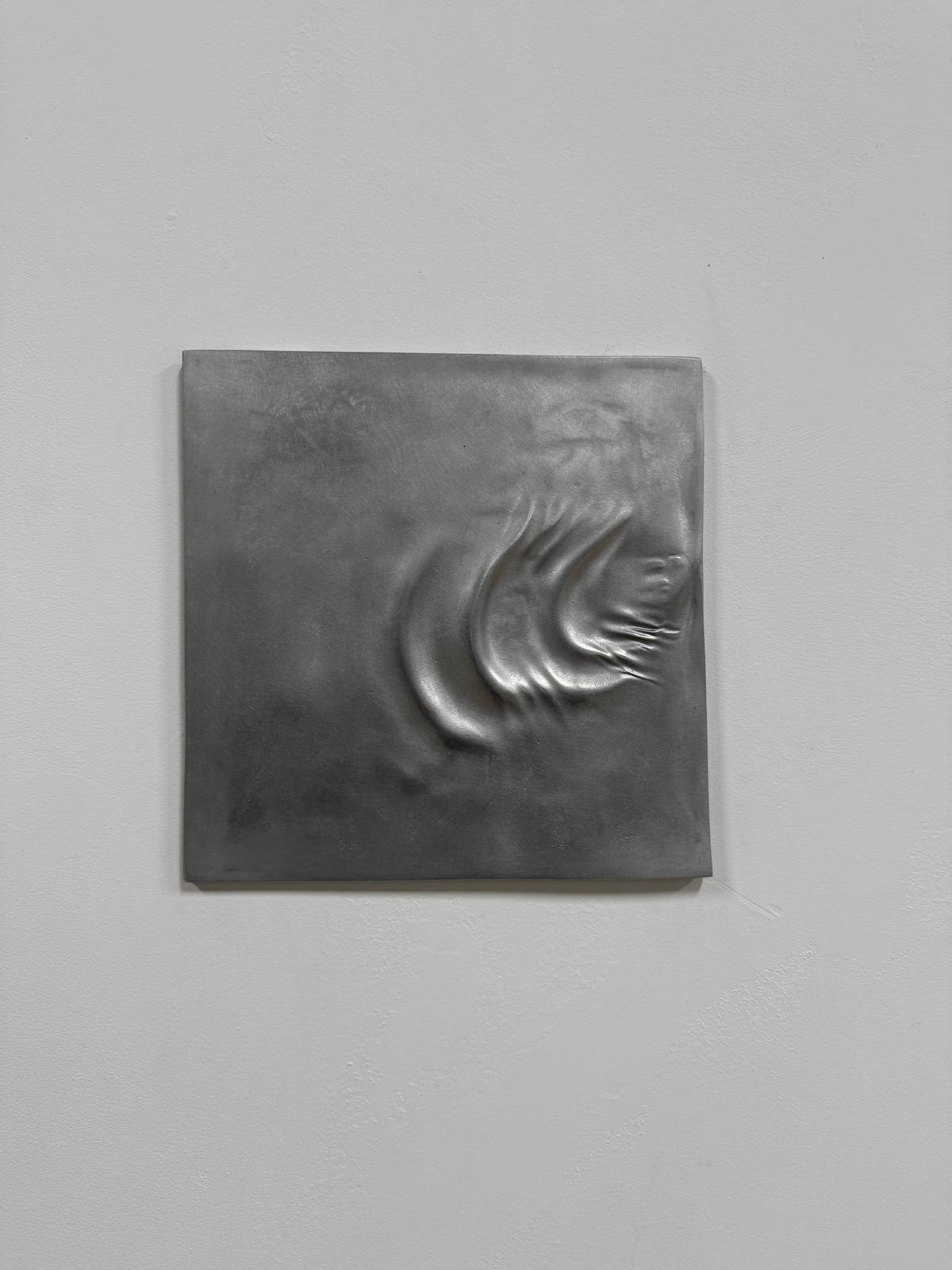
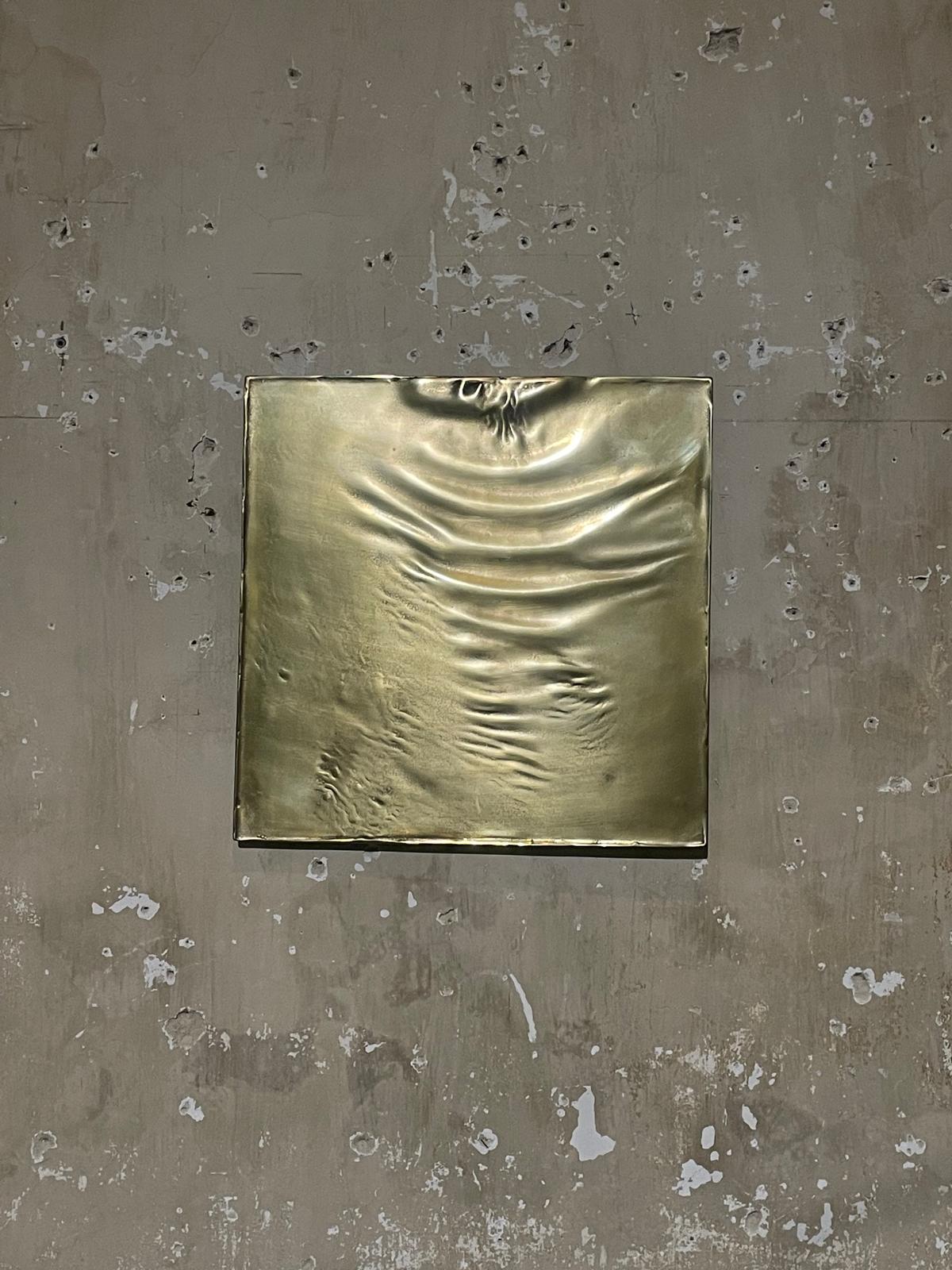
The artist Léa Dumayet invited olfactory designer Daphné Perryman-Holt to collaborate on creating an immersive installation within the exhibition CILIA. The olfactory layer developed in situ reveals elements fundamental to the making of glass: air, water, earth and flame.
TEXT BY DAPHNÉ PERRYMAN-HOLT
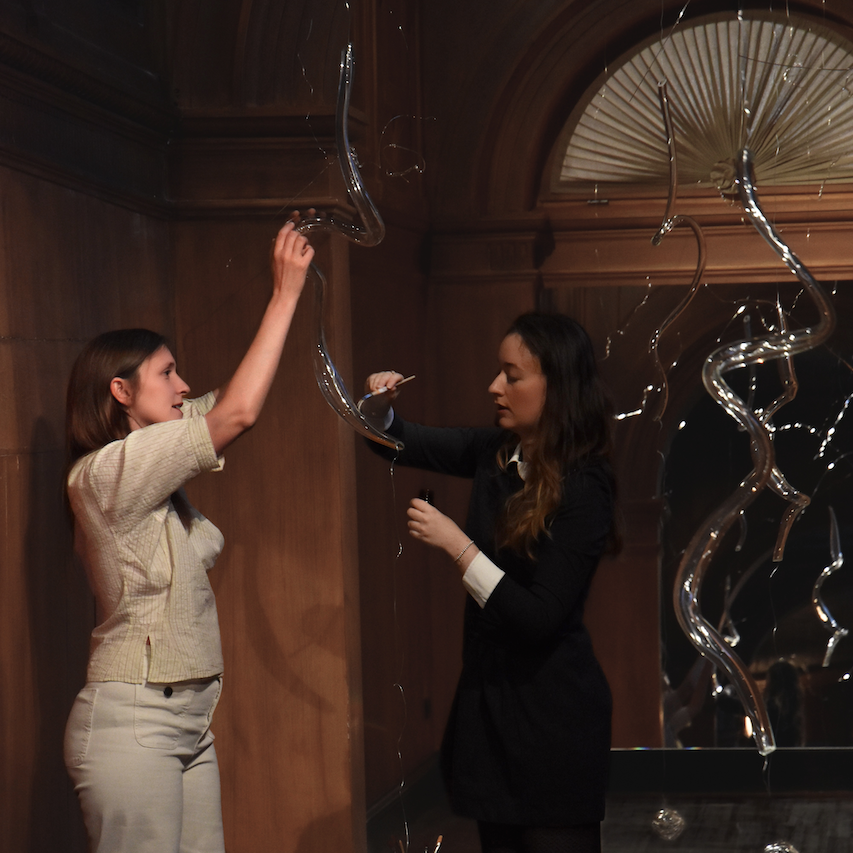
The work establishes a space where the visible enters into dialogue with the invisible. The artist deposits scent onto glass using a brush, activating an expanded field of perception. A fragrance emerges through the diffusion of volatile organic molecules, perceptible according to temperature, humidity, and the proximity of the viewer.
As it evolves across space and time, it engages both body and memory.
The experience unfolds through the four elements—air, water, earth, fire—essential to the formation of glass. Subtle yet persistent, scent becomes a guide. An invisible thread connects the spaces. Breathing becomes a way of seeing.
Air is the lightest component of glass. It evokes transparency, circulation, and open space—what remains unseen yet is immediately felt. A fresh, ozonic, crystalline note moves through the space like a current of air. Within this composition, air is associated with the molecule Floralozone (CAS 67634-15-5), derived from organic chemistry. Evoking sea spray and marine breeze, it produces a vivid, almost immaterial sensation. This note introduces lift, height, and light, like a breath that opens matter.
Water is the fluid memory of glass. It suggests suppleness, circulation, and transformation. A more humid freshness emerges, soft and enveloping. The olfactory tones become rounder, slightly mineral. Within the project, it is represented by Cascalone (CAS 950919-28-5), a synthetic compound with aqueous, iodic, green, and subtly fruity facets. This note carries movement and moisture. Water evokes a transitional state between fluidity and fixation, before matter becomes glass.
Earth is the mineral origin of glass. It recalls dust, rock, soil, raw materials, and the extended time of geological transformation. The atmosphere deepens. A familiar, organic scent emerges. Here, it is associated with oakmoss absolute (CAS 90028-68-5), with its leathery notes of humus and undergrowth, and with geosmin (CAS 19700-21-1), a molecule produced by soil microorganisms that releases the characteristic scent of freshly turned earth or rain on dry ground. This material evokes a deep, humid, organic world, grounded in the living.
Fire transforms matter. Without it, glass cannot emerge or take form. It evokes heat, fusion, brilliance, and the force of technical gesture. Smoky, woody notes fill the space. The scent intensifies, almost scorched. In this project, fire is associated with birch tar essence (CAS 8013-10-3), a natural material obtained through the thermal transformation of wood, whose smoky, resinous, and woody facets evoke combustion, intensity, and change. Fire is the element of metamorphosis. It carries materials from raw state to form, from instability to permanence, from the invisible to the visible.
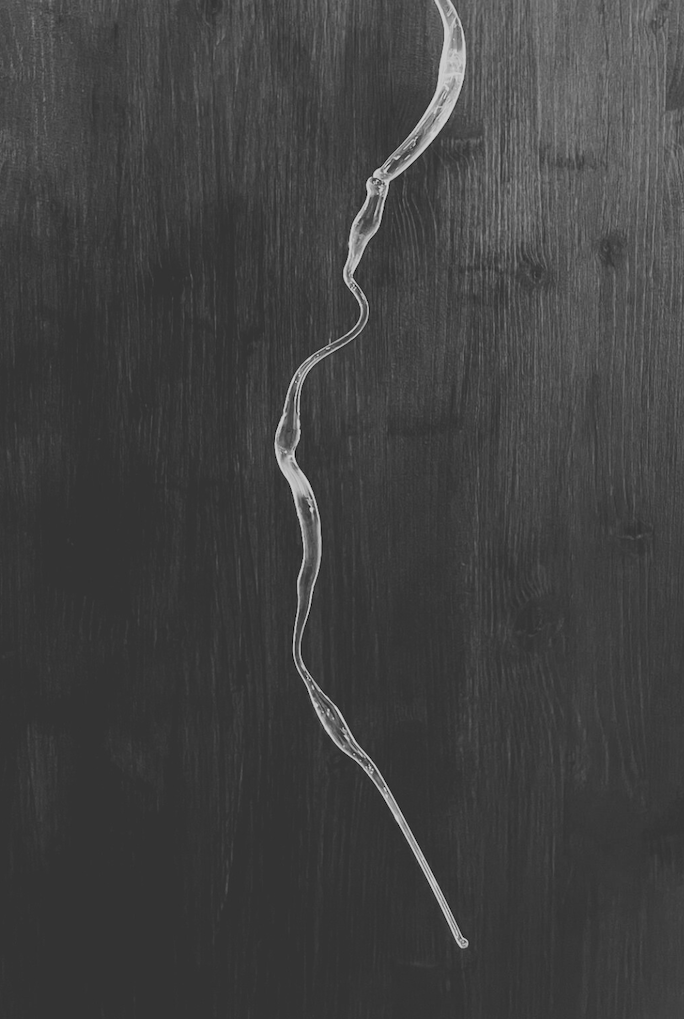
Glass, in this context, is sensed as the very matter of the elements. It emerges from the encounter between earth, water, air, and fire. Both fragile and enduring, it results from
a precise equilibrium between natural components and the action of heat. Within the exhibition, the elements become sensations: each component evokes a force, a texture, an atmosphere, and a memory. The installation invites the viewer to encounter glass as a living material, traversed by mineral, aquatic, aerial, and incandescent impressions.
The work reveals an alchemy between nature, science, and sensation, where breathing becomes a way of seeing.