Elisabeth de Brabant Contemporary
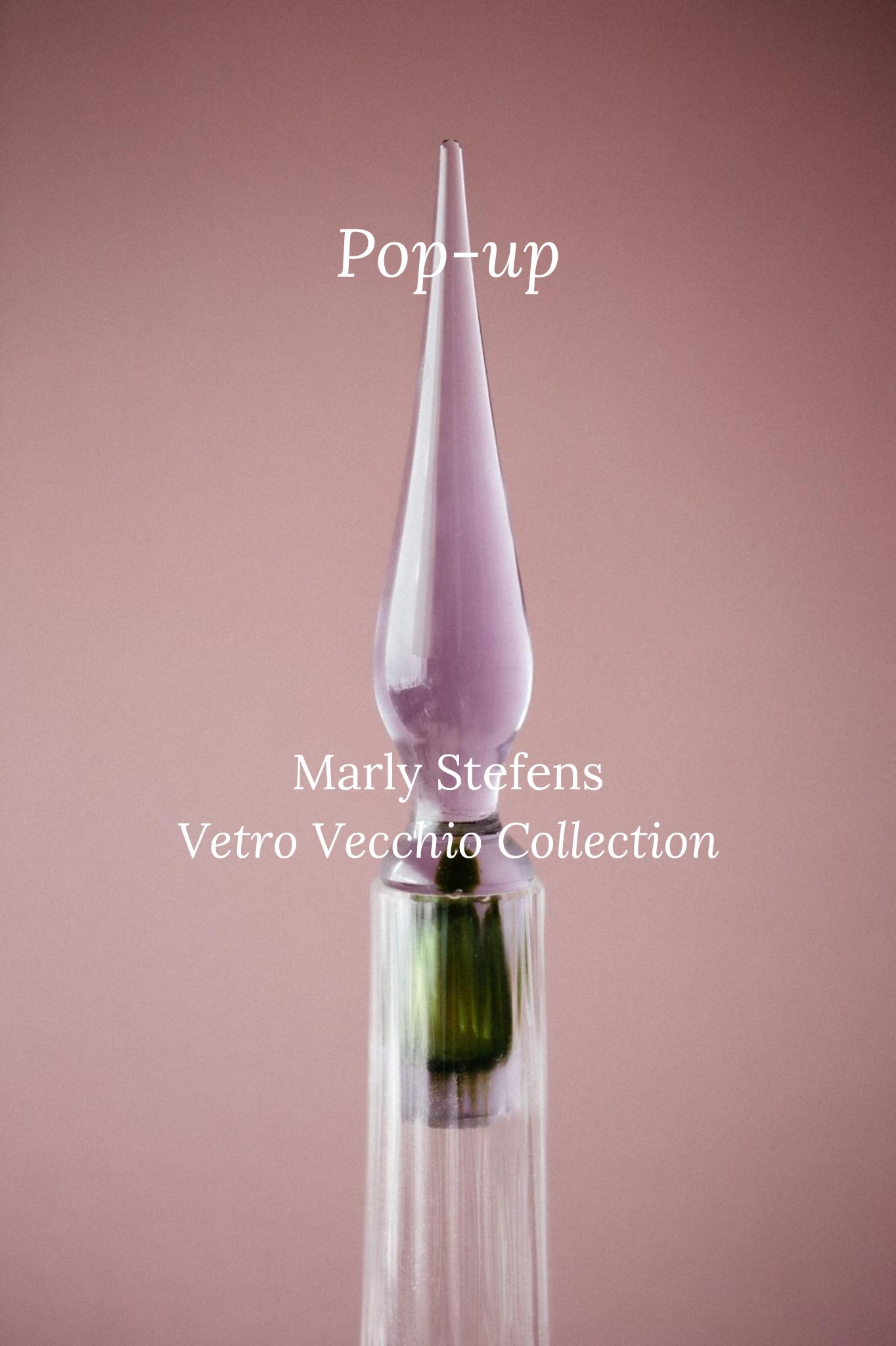
Marly Stefens creates glassworks as unique compositions crafted from recuperated Murano glass. Her creative process, which involves deconstructing and reimagining glass entities, unfolds within the walls of a historic glass-making atelier.
Over the years, Marly has forged close ties with Venetian glass artisans, granting her access to a hidden world of vintage materials. These materials, shaped by ancient techniques and a profound understanding of the chemistry of glass, are now given a new life in her creations. Their original purposes—whether as chandeliers, pendants, bowls, urns, plates, lamps, mirrors, or vases—become secondary to their intrinsic beauty, which Marly celebrates in innovative forms.
In 2021, Marly participated in The Venice Glass Week, presenting her one-of-a-kind pieces in a private exhibition in Venice.
In 2024, Elisabeth de Brabant Contemporary, a private contemporary art space in partnership with the non-profit humanitarian organization Women without Borders, invited Marly to develop a collection of glassworks for the private bar of the Galleria dei Gondolieri in Venice.

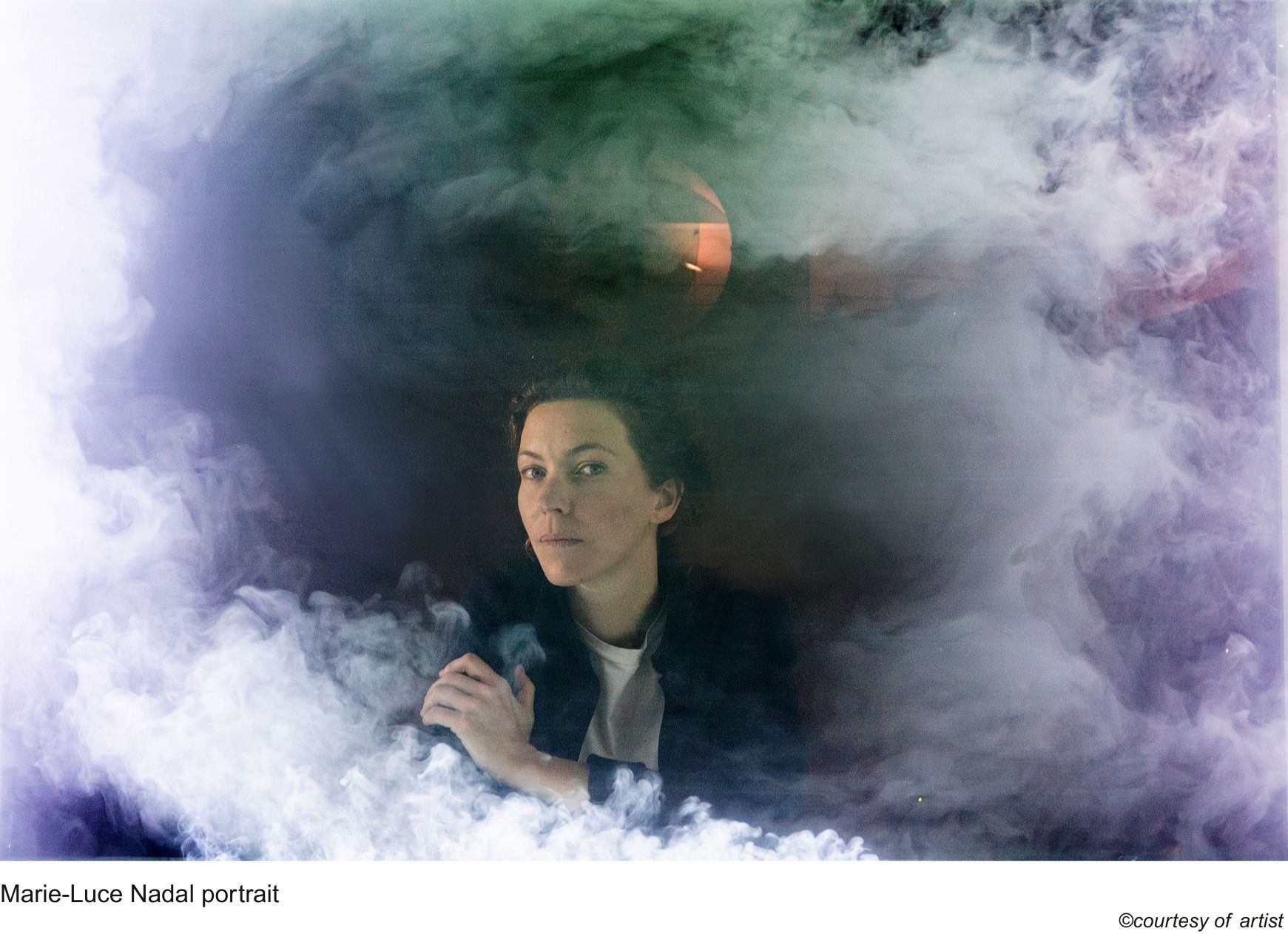
Marie-Luce Nadal presents performative films and pigment prints on metal, staging the atmosphere as both subject and actor — an emotional, political, and volatile body. Through cloud choreography and experiments with natural elements, she draws out the weather’s agency as something embodied, contested, and alive.
Lorem ipsum dolor sit amet, consectetur adipiscing elit. Etiam consectetur interdum eros id fermentum. Maecenas tempus, risus dignissim auctor laoreet, ex enim finibus lectus, laoreet tempus lectus odio sit amet lectus. Aliquam suscipit justo tincidunt, ultrices eros nec, suscipit ipsum. Curabitur sit amet dapibus leo. Cras et ligula ut purus sagittis facilisis. In ac suscipit nibh. Mauris vehicula augue ac mauris cursus, ut pellentesque velit accumsan.
Lorem ipsum dolor sit amet, consectetur adipiscing elit. Etiam consectetur interdum eros id fermentum. Maecenas tempus, risus dignissim auctor laoreet, ex enim finibus lectus, laoreet tempus lectus odio sit amet lectus. Aliquam suscipit justo tincidunt, ultrices eros nec, suscipit ipsum. Curabitur sit amet dapibus leo. Cras et ligula ut purus sagittis facilisis. In ac suscipit nibh. Mauris vehicula augue ac mauris cursus, ut pellentesque velit accumsan.